Winter Tires vs. Summer Tires: What’s the Real Difference?
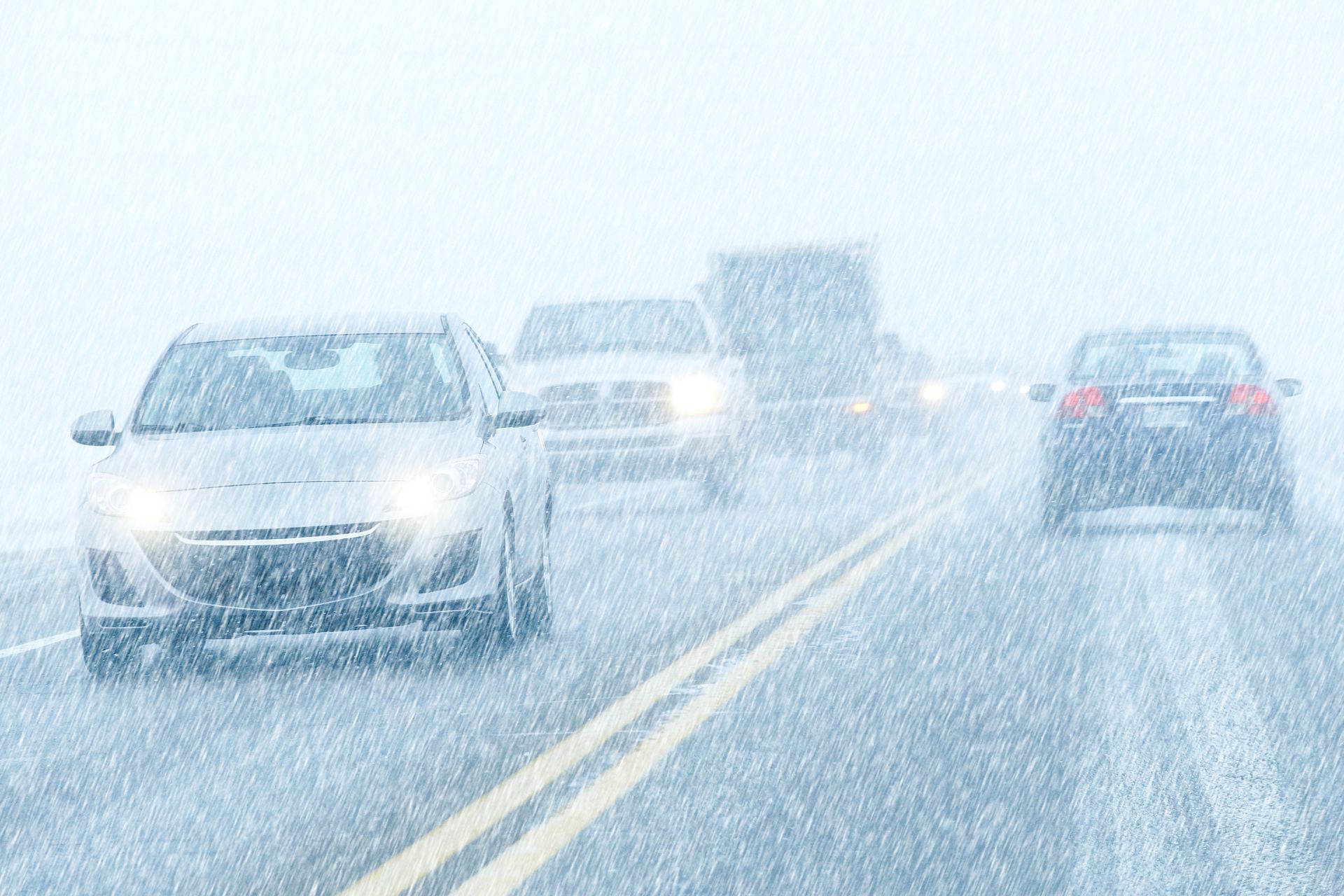
When temperatures drop, your tires matter more than almost any other part of your vehicle. Many drivers assume “tires are tires,” but the difference between winter tires and summer tires is significant—and it directly affects safety, braking distance, and vehicle control.
The Biggest Difference: Rubber Compound
The most important difference isn’t the tread—it’s the rubber itself.
Winter Tires
Made with a softer rubber compound
Designed to stay flexible in cold temperatures (below ~45°F)
Maintain traction on snow, ice, and cold pavement
Summer Tires
Made with a harder rubber compound
Optimized for warm, dry, and wet roads
Become stiff and lose grip in cold weather
Even on dry winter roads, summer tires can lose traction simply because the rubber hardens.
Tread Design: Built for Different Conditions
Winter Tire Tread
Deeper tread depth
Aggressive patterns to move snow and slush
Thousands of tiny cuts called sipes that grip ice
Summer Tire Tread
Shallower tread
Larger contact patches for handling and cornering
Designed to evacuate water—not snow
The result: winter tires can stop, steer, and accelerate in conditions where summer tires struggle or fail.
Braking Distance: The Safety Factor
One of the most overlooked differences is stopping distance.
In cold or snowy conditions:
Winter tires can stop 30–40% shorter than summer tires
That difference can easily be multiple car lengths
That margin can be the difference between a close call and a collision.
Common Misconception: “I Have All-Season Tires”
All-season tires are a compromise—not a replacement for winter tires.
They work okay in mild conditions
They are not designed for ice, packed snow, or extreme cold
They do not perform like true winter tires
If you drive regularly during Michigan winters, winter tires are the safest option.
When Should You Switch to Winter Tires?
A good rule of thumb:
- Install winter tires when temperatures consistently stay below 45°F
- Remove them in spring once temperatures rise
- Using winter tires year-round is not recommended—they wear quickly in warm weather.
Final Thoughts
Winter tires aren’t about luxury or performance—they’re about control, predictability, and safety. Summer tires excel in warm weather, but once winter arrives, they simply aren’t built for the conditions.
If you’re unsure what tires are right for your vehicle or driving habits, a quick inspection and conversation can save you money—and potentially prevent an accident.
Need help choosing the right tires?
Stop by Consumer Car Care or give us a call. We’re happy to help you make the right decision for your vehicle and Michigan winters.